Location
Digital Nomad Guide to Portugal
The Ultimate Guide for Digital Nomads in Portugal. Explore visa options, the best places to stay, tips for getting around, and why Portugal continues to be a favorite for remote workers worldwide.
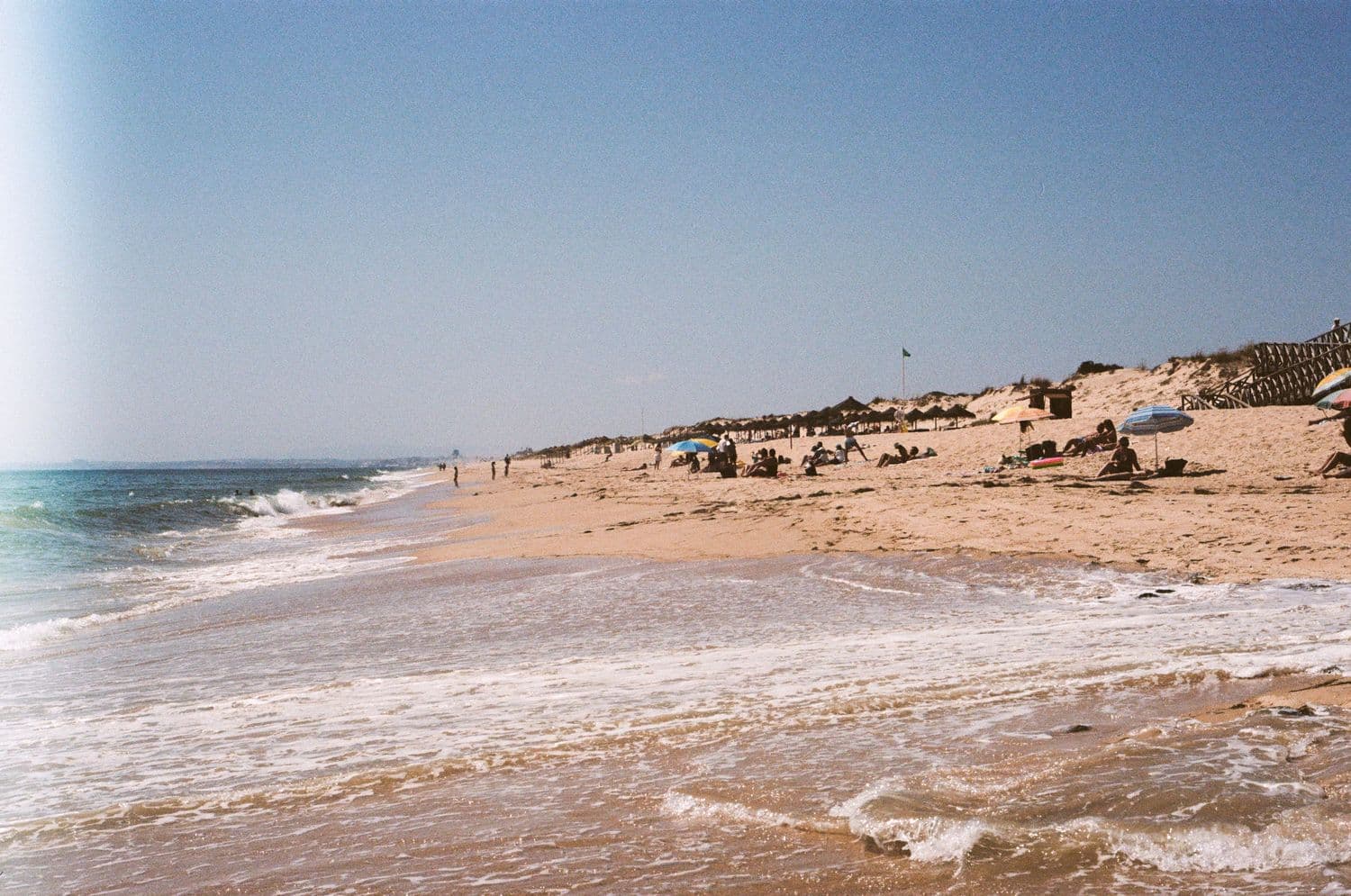
Portugal has become one of the top destinations for remote workers, and it’s easy to see why. With its welcoming culture, beautiful scenery, and modern infrastructure, it’s the perfect place to balance work and life. If you’re staying for a few weeks or planning something longer, sorting out your visa and learning how to get around will make your experience even better. This guide covers everything you need to settle in and enjoy everything Portugal has to offer.
Portugal's D8, D7 Temporary Resident Visa and Resident Visa
Portugal attracts many digital nomads, partly due to the ease of obtaining either a temporary resident visa (also known as a D7 passive income visa) or a residence permit for independent workers and entrepreneurs. This will allow you to legally stay for one year, but you'll have the option to renew for up to 5 years. After that, you'll be eligible for permanent residency. Read our full guide to the D7 Visa here and D8 visa here.
Staying in Portugal? Check out Outsite locations in Lisbon Intendente, Lisbon Cais do Sodre, Cascais, Ericeira, Porto, Sagres, and Madeira.
For US Citizens
As of 2025, U.S. citizens can stay in Portugal for up to 90 days within any 180-day period without a visa. However, starting in 2025, U.S. travelers will need to obtain an ETIAS (European Travel Information and Authorization System) authorization before visiting Portugal and other Schengen Area countries. ETIAS is not a visa but a mandatory entry requirement designed to enhance security. The application is completed online and, once approved, is valid for three years or until your passport expires.
For UK Citizens
Post-Brexit, British citizens can stay in Portugal for up to 90 days within any 180-day period without a visa. Starting in 2025, U.K. travelers will need to obtain an ETIAS authorization before visiting Portugal and other Schengen Area countries. ETIAS is a visa waiver program requiring an online application and a €7 fee. Once approved, it is valid for three years or until your passport expires.
The Golden Visa Option
As of 2025, Portugal’s Golden Visa program remains an attractive option for non-EU nationals, including UK citizens post-Brexit, but it has undergone significant changes. The program no longer includes real estate investments as a qualifying option; however, other avenues, such as contributions to venture capital funds, cultural or artistic projects, and job creation, are still available.
Applicants benefit from a minimal physical presence requirement of just seven days per year and can apply for Portuguese citizenship after five years. During their stay, Golden Visa holders gain access to Portugal’s education, healthcare, and social security systems.
Learn more about long-term visas for remote workers. Here are 46 Digital Nomad visas available throughout Latin America, Europe, Asia, and Australia.
Lisbon
It's clear to see why there are currently almost 17,000 digital nomads living in Portugal's charming capital city. There's an exciting nightlife scene, an abundance of great cafes and restaurants, and beautiful architecture, and a celebration of Portuguese culture. We have spaces in two of the most desirable neighborhoods: Outsite Cais do Sodre and Outsite Intendente. The city's exciting night life, coastal charm, and historical sights all contribute to its allure. For details on where to go and what to do while you're here, check out our Digital Nomad Guide to Lisbon.
Cascais
Around 40 minutes west of Lisbon is lesser known, but equally charming Cascais. This seaside town boasts a collection of beautiful beaches, a slow pace of life, and plenty of resources for the digital nomad community its acquired over the last few years. Read on to learn why Cascais makes such a great destination for remote workers in our Digital Nomad Guide to Cascais.
Ericeira
Just 40 minutes north of Lisbon is the beautiful seaside town and surfing mecca of Ericeira. A Portuguese fishing port, this is one of the most beautiful coastal cities in the country. Outsite Ericeira is situated just minutes from the beach. A bit more affordable than Lisbon, Ericeira is the perfect spot for beach lovers looking for a more relaxed destination. If this sounds like you, have a look at our Digital Nomad Guide to Ericeira and start planning your trip.
Porto
Situated in Northern Portugal, along the Douro River is Portugal's second largest city, Porto. With no shortage of cultural and entertainment offerings, Porto has become a major destination for visitors. Its iconic Old Town runs along the river, and has been named an UNESCO World Heritage Site. While it's considered to be one of Europe's most beautiful cities, its allure is emphasized by exciting nightlife, great seafood, and relaxed lifestyle. Discover more about life in Porto in our Digital Nomad Guide to Porto.
The Algarve
Spanning between Faro and Sagres, the Algarve region is home to some of the most scenic beaches and landscapes in Portugal. It maintains near-perfect weather just about year-round, boasts a low cost of living, and has some of the best swells in Europe. Over the past few years, it's attracted many expats and remote workers, especially those looking for good surf. Check out Outsite Sagres and learn more about the area in our Digital Nomad Guide to Sagres.
Madeira
This island has become a hot spot for remote workers, attracting digital nomads from all over the globe with its lush landscapes, low cost of living, climate, and its recently launched Digital Nomad Village. Outsite Madeira is located here within the village. Considering making your way here? Discover our top tips for remote workers in Madeira in our Digital Nomad guide to Madeira.
Peniche
Like Ericeira, Peniche is another top surfing destination attracting many Digital Nomads. This old fishing town, is overflowing with historical and cultural sites, great waves, and even better seafood. It's a great destination for those who surf and want to experience Portugal without the influx of tourism.
Azores
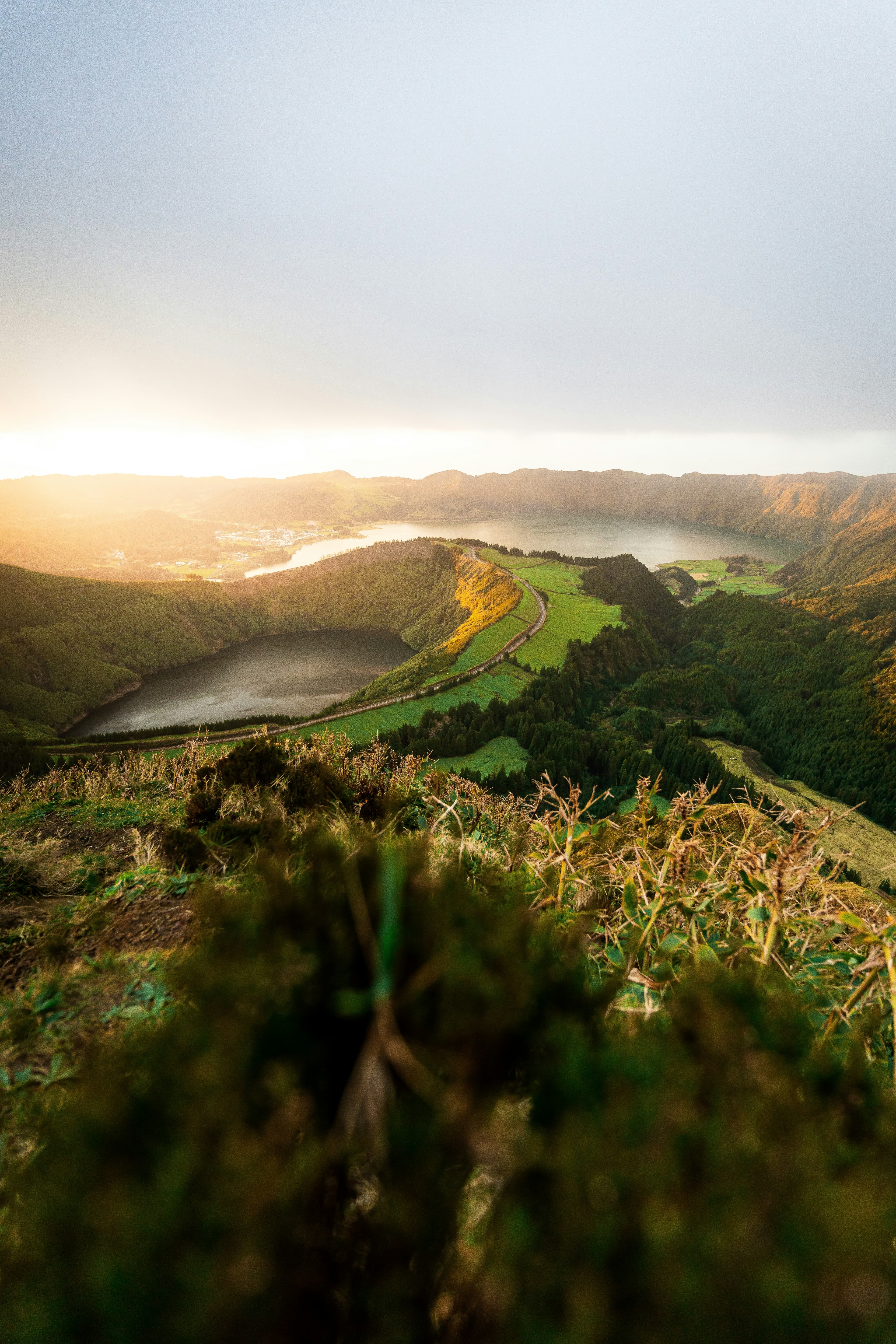
São Miguel, is the largest island in the Azores, a Portuguese archipelago floating in the middle of the Atlantic, and it packs crater lakes, thermal pools, whale-watching waters, and black-sand surf breaks into something you can drive across in under two hours. Outsite offers two properties, Outsite Ribeira Grande and Outiste Fenais located in the island.
Portugal has attracted many remote workers and digital nomads, making it rather easy to slip into an already established community. Wherever it is in Portugal that you're staying, it's not to find your people. Each Outsite location hosts weekly events, great for meeting people in the same boat as you. We've outlined a few great ways here to meet other digital nomads wherever you're staying.
With that said, the digital nomad communities are especially solidified in Lisbon and Madeira. Lisbon is home to almost 17,000 remote workers and also two of our locations. Events made specifically for digital nomads are frequent, and with our Whatsapp group and Cowork Cafe, it's especially easy to meet other nomads here. The same goes for Madeira with its Digital Nomad Village. Here you'll find an entire village in Ponta do Sol dedicated to remote workers with a free coworking space and weekly events.
With an extensive network of Digital Nomads spread throughout the country, there is no shortage of coworking spaces available.
Lisbon
Should you find yourself in Lisbon, check out Outsite Cowork Cafe, located on the ground floor of Outsite Lisbon - Cais do Sodre. Second Home, Avila Spaces and Resves are some other popular cowork spaces.
Cascais
Like all Outsite locations, Outsite Cascais features its own dedicated work space. There are other coworking spaces in the area too such as CoworkCascais and LACS.
Ericeira
Ericeira is home to many coworking and coliving spaces such as Outsite Ericeira, Salt Studio, Nomads, and Kelp Co.
Porto
Outsite Porto is located in the area of Bonfim, one of Europe's trendiest neighborhoods. Throughout the city, you can find other coworking spaces like CRU Cowork Hub, Synergy Coworking, and Porto i/o.
The Algarve
With the allure of the Algarve, co-working spaces are continuing to pop up. Outsite Sagres features a dedicated coworking space, available to Members. Some others are Cowork Aljezur in Aljezur, and Alandra Square Coworking in Faro. Cowork Surf is a coliving guesthouse designed with surfers in mind. Here, you can rent boards, sign up for surf lessons, and get some work done in their coworking spots. You can find them in Sagres, as well as Ericeira, Sagres, and Peniche.
Madeira
There's a free communal coworking space in Ponta do Sol. This is also where you can find Outsite Madeira - a fully equipped coworking space available to guests.
Peniche
Peniche Ocean Watch is a popular coworking space in Peniche. You'll also find coliving spaces here like Pipedream and Selina.
Small in size, and as efficient as it is charming, it is not hard to get around Portugal. The cities are all very well connected by bus or train. And Uber is widely used.
- By Train
Whether you're traveling a long or short distance, the trains run frequently, are affordable, and are generally very scenic. You'll find that there are four different train types available:
- Alpha-Pendular (AP) - The fastest and most modern trains, ideal for long distances like Lisbon to Porto or Faro. They are comfortable, offer Wi-Fi, and have first- and second-class seating.
- Intercidades (IC) - These trains are a bit more basic, a little older, and stop more frequently.
- Regional and Interregional - Basic trains connecting smaller towns and regions. Tickets for these are usually purchased at the station.
- Urban - Found in Lisbon, Porto, and their suburbs, these are perfect for short, local trips. You can get tickets at stations or through mobile apps.
- By Bus
Bus routes are plentiful, connecting almost every town and city. They'll typically get you from A to B a bit quicker than the trains will, but keep in mind that they can be a bit more expensive than trains and with so many bus companies available and departing from the same places, it can be a bit confusing knowing which terminal you'll be leaving from. Should you opt to travel by bus though, just be sure to give yourself a bit of a time buffer and you should be just fine.
Tickets for longer trips on coach buses can be booked online. Other popular companies to book from are Omio and Flixbus (these are great options for international travel as well). If traveling locally, you likely will not be able to book online and instead at the local bus station.
Lisbon, Porto, and Ericeira are all walkable. While cars do allow for more flexibility, you likely will not need one in these cities, especially with access to the metro (or the tram if in Lisbon and feeling touristy). If you're visiting Peniche or Ericera, you'll still be able to get around just fine without a car, though one would come in slightly more handy here. Downtown Cascais is fairly walkable as well, though it's helpful to have a car here if you want to venture further out, or if you're staying at Outsite Cascais as it's located further out in at Guincho Beach. Both the Algarve and Madeira are vast, and there's a lot to see. While certain areas are more walkable than others, we suggest renting a car for ease and flexibility.
Is there Uber in Portugal?
Uber is also available in these cities. However, you'll likely have more luck with the app Cabify as prices are usually lower there.
The country ranks 22nd globally for fixed broadband, with median download speeds of approximately 195.90 Mbps and upload speeds of around 99.73 Mbps. At Outsite Ericeira, we offer 94 mbps and 99 mbps at Outsite Lisbon. You'll also find that there is an abundance of wifi hotspots available throughout the country.
Cost: Is Portugal cheap?
As far as European countries go, Portugal is on the more affordable side, making it even more attractive to digital nomads who want to spend some time in Western Europe. For anyone coming from the United States, you'll be pleased to know that the cost of living in Portugal is about 46% cheaper than that in the States.
Safety: Is Portugal safe?
Coming in at #3 on the Global Peace Index's list of safest countries in the world, travelers are at very low risk for major crimes in Portugal. With that in mind, petty crime does exist and you should always keep an eye out for pickpockets as they tend to target tourists.
Language: Do I need to speak Portuguese?
Wherever you travel, it's always helpful to have a few key phrases (think: yes, no, please, thank you, etc.) in your back pocket to at least show you're willing to try. In Portugal though, you'll find that English is pretty widely spoken (especially in Lisbon and Porto).
Ready to go? Book your stay with us in Lisbon, Cascais, Ericeira, Porto, Sagres, or Madeira and you'll be instantly connected with the digital nomad community in Portugal.



Coliving spaces, community, and perks designed for remote workers and creatives.
Product
Company
Social


Keep up with location openings,community events, and other news.
Download the Outsite App Now


© 2026 Outsite Co. All rights reserved.