Nomad Life
The Ultimate Guide to Digital Nomad Visas in 2026 — 70+ Countries Compared
The best digital nomad visas for travelling and working remotely.
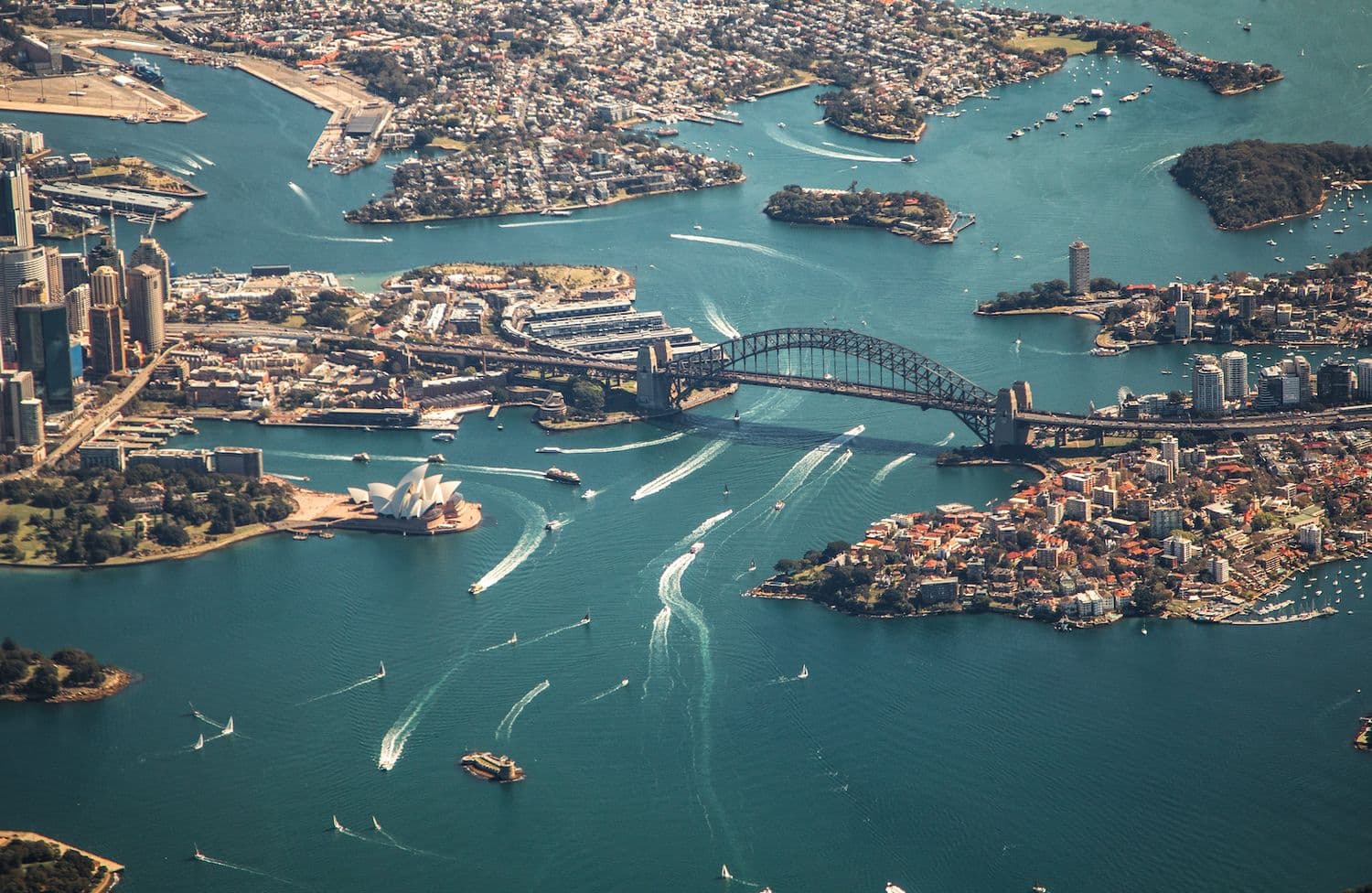
Discover all the countries offering remote-work visas in 2026 to help you choose the best place to live and work abroad.
Remote work has opened the door to living almost anywhere — and more countries than ever are making it easier. In 2026, over 70 destinations now offer digital nomad visas or remote-work permits designed for people who want to build a life beyond borders. Whether you're dreaming of European café culture, island living, or a low-key mountain base, there’s a place where you can live and work legally for months — or even years — at a time.
This guide brings together every digital nomad visa available today, sorted by region so you can easily compare your options and find your next home away from home.
Last updated: January 2026
What is a digital nomad visa?
If you work remotely and want to stay in a country longer than a typical 60 or 90 day stay (depending on the country), most of the time you will need either a long term visa or you will need to leave the country after the allotted time period. With some countries’ visas, rules are slightly more lax. If you reach your max amount of days, you can exit the country, get an exit stamp on your passport, head to another country for a day or so, and then return problem free. The time limit will reset itself. In the digital nomad community, this is commonly referred to as a visa run. However, there are regions where this isn’t an option.
How we define a digital nomad visa:
This guide includes only countries that offer an official digital nomad visa or remote-work residence permit specifically designed for people working for foreign employers or clients. Countries that allow remote work only through standard employment, self-employment, or general residence visas are not included.
Digital Nomad Visa Countries in 2026 By Region
To make your search easier, we’ve added simple tags next to each country. These highlight what that visa is best known for to help you compare visas at a glance:
- Easiest to obtain — low paperwork, fast approval, accessible income thresholds.
- Best for families — easy dependent options, safe locations, good education infrastructure.
- Longest stays — visas offering 1 year+ stays or renewable long-term permits.
- Low cost of living — destinations known for affordability and value.
- New addition — recently launched (2025–2026) digital nomad visas.
Europe | Americas | Africa & Middle East | Asia & Oceania
Europe | count 30 | |
| Albania 🇦🇱 | → Low cost of living | Albania’s Unique Permit program allows remote workers to live and work in the country for up to one year, with the possibility of renewal. The process is designed to be relatively accessible, and many nomads are drawn to Albania for its low cost of living, friendly communities, and scenic landscapes along the Adriatic and Ionian seas. Remote workers must show proof of income and valid health insurance, and the visa can be extended annually thereafter. Albania also exempts digital nomads from tax residency rules for the first 12 months under current legislation.
|
| Andorra 🇦🇩 | → Best for families | Andorra’s digital nomad visa offers stays of up to one year, with options for renewal. It’s particularly attractive for families thanks to excellent public services and a safe environment in the Pyrenees. Applicants must demonstrate sufficient income and health coverage, reflecting the country’s higher living costs. Andorra combines mountain lifestyle, outdoor activities, and reliable internet for remote work.
|
| Armenia 🇦🇲 | → Low cost of living | Armenia provides a straightforward digital nomad visa allowing remote workers to stay for up to 180 days. The program appeals to those seeking affordable living, rich culture, and emerging coworking hubs. Applicants need to show proof of remote work and sufficient funds. Families can join, though infrastructure is still developing compared to Western Europe. Armenia is ideal for adventurous digital nomads looking for unique experiences.
|
| Austria 🇦🇹 | → Best for families | Austria’s digital nomad visa supports remote workers for up to one year, with the possibility of extension. It’s well-suited for families, offering access to high-quality education, healthcare, and public services. Vienna and other cities provide excellent coworking spaces, fast internet, and cultural richness. Income requirements are moderate to high, reflecting the country’s premium cost of living.
|
| Bulgaria 🇧🇬 | → New addition | Bulgaria introduced a digital nomad–friendly residence option allowing remote workers to stay for up to one year, with renewals possible. Known for its low cost of living, fast internet, and growing tech scene, Bulgaria appeals to nomads seeking affordability within the EU. Sofia and Plovdiv offer modern coworking spaces, while income requirements remain relatively accessible compared to Western Europe.
|
| Croatia 🇭🇷 | → Longest stays | Croatia’s digital nomad residence permit allows remote workers to live in the country for up to one year without local income tax obligations. With its coastal lifestyle, historic cities, and strong nomad infrastructure, Croatia is especially popular among location-independent professionals. Zagreb, Split, and Dubrovnik offer reliable internet, coworking spaces, and international communities.
|
| Cyprus 🇨🇾 | → Best for families | Cyprus’ digital nomad visa allows stays of up to a year for remote professionals earning a stable income. The visa is particularly attractive to those seeking sunny weather, Mediterranean lifestyle, and modern amenities. Applicants must provide proof of employment or freelance work and income requirements. Family members can be included, making it a great choice for remote-working families.
|
| Czechia 🇨🇿 | → Easiest to obtain | Czechia’s digital nomad visa supports remote workers with stays up to a year, renewable under certain conditions. The program is easy to obtain relative to other European options, and Prague offers a vibrant coworking scene and expat community. Applicants must show proof of stable income and health insurance. Czechia combines affordability, historical charm, and strong internet infrastructure for productive remote work.
|
| Estonia 🇪🇪 | → Longest stays | Estonia’s digital nomad visa allows remote workers to stay for up to one year, with the option to extend. Known for being easy to obtain, the program requires proof of income, remote work, and health insurance. Estonia offers modern infrastructure, reliable internet, and a thriving startup scene, making it ideal for digital professionals seeking efficiency and innovation.
|
| France 🇫🇷 | → Best for families | France offers a long-term visitor visa that accommodates remote work, especially popular among families. Applicants need to demonstrate stable income and health insurance coverage. Cities like Paris and Lyon combine rich cultural experiences, coworking hubs, and world-class amenities. France’s visa program is ideal for nomads who value lifestyle, gastronomy, and family-friendly infrastructure.
|
| Georgia 🇬🇪 | → Easiest to obtain | Georgia’s digital nomad visa allows remote workers to stay for up to one year. The program is easy to obtain and requires proof of remote work and sufficient income. Georgia attracts nomads with its low cost of living, friendly communities, and stunning natural landscapes. It’s particularly appealing for those looking for adventure and a culturally rich experience on a budget.
|
| Germany 🇩🇪 | → Longest stays | Germany offers a freelancer visa suitable for long-term stays of remote workers in cities like Berlin and Munich. The visa allows extended stays and the possibility to bring family members. Applicants must demonstrate stable income, health insurance, and a viable business plan. Germany combines strong infrastructure, cultural richness, and vibrant coworking communities, making it a top choice for digital professionals.
|
| Greece 🇬🇷 | → Best for families | Greece’s digital nomad visa allows stays of up to one year, renewable for longer periods. The program is family-friendly and requires proof of remote work and sufficient income. Greece offers sunny islands, historic cities, and affordable living with growing coworking infrastructure. Ideal for nomads looking for a mix of productivity, leisure, and Mediterranean lifestyle.
|
| Hungary 🇭🇺 | → Low cost of living | Hungary’s digital nomad visa is suitable for remote workers seeking a low cost of living and a central European location. Applicants must demonstrate stable income, proof of work, and health coverage. Budapest and other cities provide vibrant coworking communities and cultural experiences, making it a hub for affordable remote work.
|
| Iceland 🇮🇸 | → Longest stays | Iceland offers a digital nomad visa that allows remote workers to stay for up to six months. The program is ideal for those who value natural beauty, safety, and a peaceful environment. Applicants must show proof of remote work and sufficient income. While living costs are higher, Iceland offers outstanding quality of life and reliable internet, making it perfect for productive remote work.
|
| Ireland 🇮🇪 | → Best for families | Ireland’s digital nomad visa supports remote workers for up to one year. Applicants must demonstrate stable income and health insurance, with options to include family members. Ireland combines vibrant cities like Dublin, English-speaking communities, and a strong tech ecosystem, making it attractive for remote professionals seeking a friendly and productive environment.
|
| Italy 🇮🇹 | → Best for families | Italy’s digital nomad visa allows stays up to one year, with potential for renewal. The program is family-friendly and applicants must show proof of income and remote work. Italy offers rich culture, amazing food, coworking hubs in major cities, and beautiful landscapes, perfect for nomads seeking lifestyle and productivity combined.
|
| Latvia 🇱🇻 | → Easiest to obtain | Latvia’s digital nomad visa supports remote workers for up to one year. The program is easy to obtain, requiring proof of remote work and stable income. Latvia offers affordable living, coworking spaces, and a thriving expat community, especially in Riga, making it an attractive destination for nomads on a budget.
|
| Lithuania 🇱🇹 | → Easiest to obtain | Lithuania offers a digital nomad visa for remote professionals seeking a stay of up to one year. Applicants must provide proof of income and health coverage. Lithuania combines affordable living, modern cities like Vilnius, and strong digital infrastructure, making it a great choice for nomads who want balance between cost and quality of life.
|
| Malta 🇲🇹 | → Best for families | Malta’s Nomad Residence Permit allows remote workers to stay for up to one year. The program is easy to obtain, with requirements for income proof and health insurance. Malta offers sunny weather, English-speaking communities, and strong internet connectivity, perfect for nomads seeking a Mediterranean lifestyle.
|
| Moldova 🇲🇩 | → New addition | Moldova recently introduced a digital nomad visa allowing remote workers to stay for up to one year. The program is low cost of living–friendly, requiring proof of income and health coverage. Moldova offers authentic cultural experiences, a growing expat community, and scenic landscapes, ideal for adventurous nomads seeking affordable stays.
|
| Montenegro 🇲🇪 | → Low cost of living | Montenegro’s digital nomad visa allows remote workers to stay for up to one year. The program is ideal for affordable, scenic living on the Adriatic coast. Applicants must show proof of remote work and sufficient income. Montenegro offers beautiful coastlines, outdoor activities, and growing coworking spaces, perfect for nomads seeking balance between work and leisure.
|
| Netherlands 🇳🇱 | → Best for families | The Netherlands offers a remote work permit that allows stays of up to one year. Applicants must demonstrate stable income and remote work eligibility. The country combines excellent infrastructure, coworking communities, and cultural richness, particularly in Amsterdam, making it attractive for nomads who value efficiency and connectivity. Discover Outsite in the Netherlands
|
| North Macedonia 🇲🇰 | → Low cost of living | North Macedonia is working toward a digital nomad visa to attract remote workers with flexible residency options, though a formal program has not yet been fully implemented as of late 2025. In the meantime, remote workers can visit under standard visas (e.g., tourist stays or residence permits for other purposes) while the country’s dedicated nomad offering is finalized. With a very low cost of living and growing digital infrastructure, North Macedonia remains an affordable and emerging destination for long-term remote work if and when its nomad visa launches.
|
| Portugal 🇵🇹 | → Best for families | Portugal’s digital nomad visa allows stays for one year, renewable for longer periods. The program is family-friendly and applicants must demonstrate income and remote work eligibility. Portugal offers high-quality living, beautiful coastlines, vibrant expat communities, and strong coworking infrastructure, making it one of Europe’s most popular nomad destinations.
|
| Romania 🇷🇴 | → Low cost of living | Romania’s digital nomad visa allows remote workers to stay for up to one year. The program is affordable and accessible, requiring proof of remote work and income. Romania offers low cost of living, strong internet infrastructure, and vibrant cities like Bucharest and Cluj-Napoca, making it attractive for nomads seeking balance between cost and quality.
|
| Serbia 🇷🇸 | → Low cost of living | Serbia provides a digital nomad visa for stays up to one year. Applicants must demonstrate proof of remote work and sufficient income. Serbia offers low living costs, lively coworking communities, and rich cultural experiences, making it appealing for budget-conscious nomads.
|
| Slovenia 🇸🇮 | → New addition | Slovenia offers a digital nomad visa for stays up to one year. The program is family-friendly and requires proof of remote work and sufficient income. Slovenia provides affordable living, scenic natural beauty, and modern coworking spaces, making it ideal for nomads seeking a mix of work and outdoor lifestyle.
|
| Spain 🇪🇸 | → Best for families | Spain’s digital nomad visa allows remote workers to stay up to one year, with potential renewal. The program is popular for families and long-term stays, requiring proof of income and remote work. Spain offers excellent lifestyle, sunny climate, coworking hubs, and vibrant culture, making it one of Europe’s top destinations for nomads.
|
| Türkiye 🇹🇷 | → Low cost of living | Türkiye’s digital nomad visa allows remote workers to stay up to one year, with the possibility of renewal. The program is affordable and easy to obtain, requiring proof of remote work and income. Türkiye offers vibrant cities, rich culture, coastal living, and modern coworking spaces, making it a popular choice for adventurous nomads.
|
Americas | count 22 | |
| Antigua & Barbuda 🇦🇬 | → Longest stays | Antigua & Barbuda’s Nomad Digital Residence allows remote workers to stay up to two years. Applicants must show proof of income, health insurance, and remote work. The country offers tropical beaches, a relaxed lifestyle, and English-speaking communities, making it ideal for nomads seeking sun and tranquility.
|
| Argentina 🇦🇷 | → Easiest to obtain | Argentina’s digital nomad visa allows remote workers to stay up to one year. Applicants must demonstrate stable income, remote work eligibility, and valid health insurance. Argentina offers vibrant cities like Buenos Aires, scenic landscapes, and a low cost of living, making it a popular choice for adventurous nomads.
|
| Aruba 🇦🇼 | Aruba’s One Happy Workation program lets remote workers live and work from the island for up to 90 days (3 months), combining productive remote work with tropical beaches and vibrant culture. Participants can enjoy sunny weather, reliable internet, and a laid-back Caribbean lifestyle while working for foreign employers or clients.
| |
| Bahamas 🇧🇸 | → Best for families | The Bahamas recently launched a 12-month digital nomad visa, renewable annually. Applicants must demonstrate proof of income and remote work. The Bahamas provides stunning beaches, vibrant culture, and family-friendly environments, making it particularly attractive for remote-working families.
|
| Barbados 🇧🇧 | → Best for families | Barbados offers the 12-month Barbados Welcome Stamp for remote workers, allowing stays for one year. Applicants must demonstrate income and remote work. Barbados combines tropical lifestyle, English-speaking communities, and a safe environment, ideal for families or nomads seeking a sun-soaked base.
|
| Belize 🇧🇿 | → Easiest to obtain | Belize provides a Work Remotely visa for up to one year, renewable. Applicants need proof of stable income and remote work eligibility. Belize is known for affordable living, tropical nature, and English-speaking communities, making it attractive for digital nomads seeking adventure and a relaxed lifestyle.
|
| Bermuda 🇧🇲 | → Best for families | Bermuda offers a 12-month Work from Bermuda Certificate, allowing remote work from the island. Applicants must demonstrate sufficient income and remote work status. Bermuda is family-friendly, safe, and culturally vibrant, with stunning beaches and a relaxed island lifestyle.
|
| Brazil 🇧🇷 | → Longest stays | Brazil recently introduced a digital nomad visa for stays up to one year, with the possibility of renewal. The program requires proof of income and remote work. Brazil offers diverse culture, tropical beaches, and vibrant urban life. It’s ideal for nomads looking for lively cities and outdoor adventures.
|
| Canada 🇨🇦 | → Best for families | Canada recently launched a program supporting remote work under certain provincial permits, allowing stays up to one year. Applicants must demonstrate income and employment with a foreign company. Canada is family-friendly, offers excellent healthcare and education, and has vibrant cities like Toronto and Vancouver, making it attractive for long-term remote work.
|
| Cayman Islands 🇰🇾 | → Best for families | The Cayman Islands offers the Global Citizen Concierge Program allowing remote work up to two years. Applicants must show proof of income and remote employment. The islands provide family-friendly environments, excellent infrastructure, and a tropical lifestyle, appealing to nomads seeking comfort and safety.
|
| Colombia 🇨🇴 | → Low cost of living | Colombia offers a remote work visa allowing stays up to two years, renewable. Applicants must demonstrate proof of income and remote work. Colombia provides low cost of living, diverse cities, and rich culture, making it ideal for nomads seeking affordability and vibrant urban experiences.
|
| Costa Rica 🇨🇷 | → Best for families | Costa Rica’s digital nomad visa allows stays up to one year, renewable. Applicants must demonstrate proof of income, remote work, and health insurance. Costa Rica is known for beautiful beaches, tropical forests, and friendly communities, appealing to nomads seeking a mix of nature and productivity. Discover Outsite in Costa Rica
|
| Curaçao 🇨🇼 | → Easiest to obtain | Curaçao offers a One Year Remote Worker Permit, allowing stays up to 12 months. Applicants must show proof of remote work and income. Curaçao is known for easy-to-obtain visas, tropical lifestyle, and English/Dutch-speaking communities, making it attractive for hassle-free nomad stays.
|
| Dominica 🇩🇲 | → Easiest to obtain | Dominica’s Work in Nature (WIN) Extended Stay Visa is an official digital nomad visa that allows remote workers and their families to stay and work on the island for up to 18 months. Applicants must show proof of remote work and meet a minimum income requirement. Dominica’s lush rainforests, waterfalls, and nature-rich landscapes make it ideal for nomads who value outdoor adventure and a tranquil work-life balance.
|
| Ecuador 🇪🇨 | → Low cost of living | Ecuador offers a digital nomad visa for up to one year. Applicants must demonstrate remote work and sufficient income. Ecuador provides low cost of living, diverse landscapes from beaches to mountains, and vibrant cities, making it ideal for budget-conscious nomads seeking adventure.
|
| Grenada 🇬🇩 | → New addition | Grenada’s Remote Employment Visa allows remote workers to live on the island for up to 12 months (renewable). Applicants need to provide proof of employment and sufficient income to sustain themselves. Known for its spice plantations, pristine beaches, and friendly Caribbean culture, Grenada offers nomads a unique blend of productivity and island life.
|
| Mexico 🇲🇽 | → Easiest to obtain | Mexico’s temporary resident visa allows digital nomads to stay up to one year, renewable for longer periods. Applicants must show proof of income or remote work. Mexico offers affordable living, vibrant culture, diverse cities, and stunning beaches, making it ideal for remote workers seeking lifestyle flexibility.
|
| Montserrat 🇲🇸 | → Best for families | Montserrat’s Remote Work Stamp is a dedicated visa that lets remote workers stay for 12 months while working for foreign clients or employers. Applicants need to prove remote work status and a stable income to qualify. This small, peaceful island with lush landscapes and an intimate expat community offers a quiet, focused environment for digital nomads seeking tranquility and Caribbean charm.
|
| Panama 🇵🇦 | → Easiest to obtain | Panama’s digital nomad visa, called the Short Stay Visa for Remote Workers, allows remote professionals to stay up to 9 months, with the possibility of renewal up to 18 months. Applicants must provide proof of income and remote work. Panama offers modern infrastructure, tropical climate, and vibrant expat communities, making it ideal for nomads seeking both convenience and adventure.
|
| Puerto Rico 🇵🇷 | → Best for families | Puerto Rico is an easy option for U.S. citizens, who can live and work remotely on the island indefinitely without a visa or time limit. Remote workers simply need to earn income from outside Puerto Rico or the mainland U.S. economy, depending on their setup. With tropical weather, family-friendly communities, and U.S. legal protections, Puerto Rico offers a seamless island lifestyle without immigration friction. Discover Outsite in the Puerto Rico
|
| Saint Lucia 🇱🇨 | → Best for families | Saint Lucia’s Live It Visa is an official remote-work visa that allows digital nomads to stay and work on the island for up to 12 months. Applicants must show proof of remote employment or self-employment and can continue working for foreign clients or companies. With stunning natural scenery — including the iconic Pitons — and welcoming Caribbean culture, Saint Lucia is ideal for nomads seeking a blend of work, relaxation, and adventure.
|
| Uruguay 🇺🇾 | → Longest stays | Uruguay’s digital nomad visa allows remote workers to stay for up to one year, with the possibility of extension. Applicants must demonstrate proof of stable income and remote work. Uruguay offers high quality of life, reliable internet, and welcoming communities, especially in Montevideo, making it appealing for nomads seeking safety and comfort.
|
| United States 🇺🇸 | While the USA doesn’t currently offer a dedicated digital nomad visa, remote workers can stay under standard tourist or business visas (such as B-1/B-2 or ESTA). The country offers diverse cities, coworking communities, and numerous Outsite co-living locations, making it a popular destination for remote professionals who plan short- to medium-term stays.
|
Africa & Middle East | count 8 | |
| Egypt 🇪🇬 | → New addition | Egypt is a popular destination for remote workers thanks to its low cost of living, rich history, and lively cities like Cairo. Many nomads choose to stay on long-term or renewable visitor visas while working remotely for foreign employers or clients. With strong internet in major cities and an established expat community, Egypt offers an accessible base for culturally curious nomads.
|
| Kenya 🇰🇪 | → New addition | Kenya’s Class N Digital Nomad Permit allows remote workers employed by foreign companies or clients to live in Kenya for up to one year or more, with renewal possible. Applicants must prove remote work, sufficient foreign income, accommodation, and a clean criminal record. With Nairobi’s growing coworking scene and easy access to beaches and safaris, Kenya blends productivity with adventure.
|
| Mauritius 🇲🇺 | → Best for families | Mauritius’ Premium Visa allows remote workers and self-employed professionals to stay for up to one year, with the option to renew. Applicants must show proof of foreign income, remote work, health insurance, and accommodation. Known for its safety, excellent infrastructure, and relaxed island lifestyle, Mauritius is especially appealing to families and long-term nomads.
|
| Morocco 🇲🇦 | → Low cost of living | Morocco attracts digital nomads with its affordable lifestyle, vibrant cities, and well-established surf and coworking scenes. Remote workers commonly stay using tourist or long-stay visas while working online for companies or clients abroad. From Marrakesh to Taghazout, Morocco offers flexibility, culture, and variety for nomads seeking an easygoing base.
|
| Namibia 🇳🇦 | → Low cost of living | Namibia offers a Digital Nomad / Remote Work Visa allowing foreign remote workers to stay for up to six months. Applicants must demonstrate remote employment, minimum income, health insurance, and accommodation. The country appeals to nomads seeking wide-open landscapes, wildlife, and a quieter, nature-focused lifestyle.
|
| Seychelles 🇸🇨 | → Longest stays | Seychelles’ Workcation Retreat Program allows remote workers to live and work from the islands for up to one year. Applicants must show proof of remote work, sufficient funds, accommodation, and health insurance. It’s best suited for nomads looking for a peaceful, tropical environment with a slower pace of life.
|
| South Africa 🇿🇦 | → New addition | South Africa’s Digital Nomad Visa permits remote workers to live in the country for up to one year, with renewals allowing longer stays. Applicants must work for foreign employers or clients and meet a relatively high income threshold. With cities like Cape Town offering strong coworking communities and outdoor access, South Africa is a favorite for long-term nomads. Discover Outsite in South Africa
|
| United Arab Emirates 🇦🇪 | → Best for families | The UAE’s Remote Work (Virtual Work) Visa allows remote employees and business owners to live in the country for up to one year (renewable). Applicants must prove foreign employment or business ownership, meet a minimum income requirement, and hold valid health insurance. With modern infrastructure, safety, and family-friendly amenities, the UAE is a top choice for professional nomads. |
Asia & Oceania | count 12 | |
| India 🇮🇳 | → Low cost of living | India works well for remote workers seeking longer stays, with visitor visas that commonly allow stays of up to six months at a time, depending on nationality. Many nomads base themselves in India while working remotely for foreign employers or clients, especially in cities like Bangalore and Goa. Its low cost of living and strong digital infrastructure make it a practical option for extended remote living.
|
| Indonesia (Bali) 🇮🇩 | → Low cost of living | Indonesia offers long-stay options for remote workers through visas such as the Second Home Visa, which allows eligible foreigners to stay for up to five or ten years, depending on financial qualifications. While not a dedicated digital nomad visa, it is widely used by remote workers earning income from abroad. Bali remains a global nomad hub thanks to its coworking culture, lifestyle appeal, and strong expat infrastructure.
|
| Japan 🇯🇵 | → Longest stays | Japan introduced an official Digital Nomad Visa in 2024, allowing eligible remote workers to stay for up to six months. Applicants must work for a foreign employer, meet a high income threshold, and hold private health insurance. With world-class infrastructure, safety, and cultural depth, Japan is ideal for nomads seeking a short-term but highly structured stay.
|
| Kazakhstan 🇰🇿 | → New addition | Kazakhstan’s Neo Nomad Visa (B12-1) allows remote workers employed by foreign companies or clients to live in the country for up to one year, with the option to renew. Applicants must show proof of remote work, foreign income, health insurance, and a clean criminal record. With modern cities like Almaty and Astana and a low cost of living, Kazakhstan is emerging as a flexible base in Central Asia.
|
| Malaysia 🇲🇾 | → Best for families | Malaysia’s DE Rantau Nomad Pass allows eligible remote workers and freelancers to live in the country for up to one year, with renewal options available. Applicants must show proof of remote work and meet minimum income requirements depending on employment type. With excellent infrastructure, affordability, and family-friendly cities like Kuala Lumpur and Penang, Malaysia is a strong long-term option for nomads.
|
| New Zealand 🇳🇿 | → Longest stays | New Zealand suits remote workers planning medium-term stays, with visitor visas typically allowing up to three to six months per entry for many nationalities. Remote professionals often spend part of the year in the country while continuing to work for overseas employers. With excellent infrastructure and easy access to nature, it’s ideal for nomads seeking a slower, well-balanced base.
|
| Philippines 🇵🇭 | → Low cost of living | The Philippines has approved a Digital Nomad Visa allowing eligible remote workers to stay for up to one year while working for foreign employers or clients. Applicants must show proof of remote work, sufficient income, and health insurance. With English widely spoken, a low cost of living, and strong beach and city options, the Philippines is an accessible base for many nomads.
|
| South Korea 🇰🇷 | → Longest stays | South Korea’s Workation (Digital Nomad) Visa allows remote workers to live in the country for up to one year, with the possibility of extension. Applicants must work for a foreign employer and meet a relatively high income threshold. With fast internet, vibrant cities like Seoul, and a strong cultural scene, South Korea appeals to nomads seeking structure and innovation.
|
| Sri Lanka 🇱🇰 | → Low cost of living | Sri Lanka has announced a digital nomad–friendly visa framework allowing remote workers to stay for up to one year while earning income from abroad. While implementation details can vary, many nomads use long-stay entry options to work remotely. Affordable living, surf-friendly beaches, and a growing nomad scene make Sri Lanka a popular lifestyle destination.
|
| Taiwan 🇹🇼 | → Easiest to obtain | Taiwan’s Employment Gold Card is a popular option for remote professionals, allowing stays of one to three years with broad flexibility. While not strictly a digital nomad visa, it supports foreign income and remote work across multiple professional categories. Taiwan stands out for its safety, efficiency, reliable infrastructure, and excellent quality of life.
|
| Thailand 🇹🇭 | → Longest stays | Thailand’s Destination Thailand Visa (DTV) offers remote workers and freelancers a flexible long-term option with stays of up to 180 days per entry over a five-year period. Applicants must show proof of foreign income and meet financial requirements. With diverse destinations, strong infrastructure, and a well-established nomad ecosystem, Thailand remains one of the easiest places to work remotely.
|
| Vietnam 🇻🇳 | → New addition | Vietnam is popular with remote workers who want flexibility, with tourist e-visas allowing stays of up to 90 days and options to reapply from abroad. Many nomads structure longer stays by combining multiple entries while working remotely for foreign clients. Affordable living, strong internet, and vibrant city life make Vietnam an easy place to settle into a productive routine.
|
Before You Apply: Visa Reality Checks
- Start with the right sources. If you’re unsure about entry or visa rules for your passport, VisaHQ and official government websites (like the U.S. Department of State) are your best starting points.
- Apply earlier than you think you need to. Some digital nomad visas take weeks — even up to two months — to process. Last-minute applications are a gamble.
- Expect paperwork. Most visas require more than just a form. Be ready with proof of income, health insurance, accommodation details, and sometimes medical or criminal background checks.
- Read everything. Then read it again. Incomplete or incorrectly filled applications are a fast track to rejection. Also check whether forms must be completed in the local language.
- Know what you’re signing up for. Not every visa is the right fit. Research stay limits, renewals, tax implications, and work restrictions before committing.
- Get help if you need it. If your situation is complex — or patience isn’t your strong suit — visa agencies or travel specialists can help streamline the process.
- Follow the rules. Always. Overstaying or violating visa conditions can lead to fines, detention, or future travel bans. No destination is worth that headache.
FAQ
Can I work legally on a digital nomad visa?
Yes — as long as your income comes from outside the country you’re living in. Digital nomad visas are designed for remote workers, freelancers, and founders working with foreign clients or employers, not for taking local jobs.
How long do digital nomad visas usually last?
Most digital nomad visas are issued for 6–12 months, with some countries offering renewals if you fall in love and want to stay longer. Each program is different, so always double-check the fine print before booking a one-way ticket.
Do I have to pay taxes on a digital nomad visa?
It depends. Some digital nomad visas offer tax exemptions, while others may make you a tax resident if you stay long enough. Tax rules vary widely by country and personal situation, so it’s important to understand your obligations before committing to a long-term stay. For a deeper breakdown, check out our guide on how to deal with taxes as a digital nomad.
Can I do visa runs instead of applying for a digital nomad visa?
In some countries, short-term stays can be extended through visa runs — briefly leaving and re-entering to reset your stay. However, this isn’t allowed everywhere, and enforcement has become stricter in many regions. If you want stability (and fewer border-crossing headaches), a digital nomad visa is usually the safer long-term option.
Can I bring my partner or family with me?
Often, yes. Many digital nomad visas allow spouses and dependent children to tag along — though income requirements may increase. Because paperwork loves company, expect a few extra documents if you’re applying as a household.
What kind of income do I need to qualify?
Most countries require proof of stable monthly income, typically shown through contracts, pay stubs, or bank statements. Minimums vary widely, and some countries will accept savings if your monthly income is borderline.
What documents are usually required?
While requirements vary by country, most applications ask for proof of income, health insurance, passport copies, and a clean criminal record. Some may also want proof of accommodation — yes, even if you plan to “figure it out later.”
Can I apply last minute?
Short answer: please don’t. Visa processing can take weeks (sometimes months), and procrastination is not a valid travel strategy. Apply early, triple-check your documents, and give yourself buffer time for unexpected delays.
Do I need a lawyer or visa agency?
Not necessarily. Many people apply successfully on their own. That said, if paperwork isn’t your love language or your situation is a bit complex, a visa agency can help smooth out the process.
What happens if I overstay or break visa rules?
Best case: fines and a stern warning. Worst case: detention, deportation, or a future ban from the country. Moral of the story — play by the rules so your nomad adventure doesn’t end early.
What is the Schengen visa — and why does it matter for digital nomads?
The Schengen visa allows travelers to move freely across 26 European countries — but with a catch. You can only stay 90 days within any 180-day period across the entire Schengen Area. Once those 90 days are used, you must leave for another 90 days before returning. This rule applies even if you hop between countries, which can make long-term stays in Europe tricky for digital nomads.
How long can I stay in Europe on a Schengen visa?
You can stay up to 90 days total, either consecutively or spread across a 180-day window. There’s no “reset” by crossing borders within Schengen — the clock keeps ticking.
How do digital nomads stay longer in Europe?
To stay longer than 90 days in a specific country, you’ll need a long-term visa or digital nomad visa issued by that country. Many European countries now offer visas that allow extended stays and operate outside standard Schengen limits — which is why they’re featured in this guide. For nomads who prefer to slow travel or settle into one place, these visas are often the key to making Europe work long term.
Digital nomad visas can feel overwhelming at first, but the right one can unlock longer stays, fewer border runs, and a much smoother remote-work experience. Once you know your options, the rest is just planning — and a bit of paperwork.
Need more digital nomad tips? Check out the following guides for remote workers:


Coliving spaces, community, and perks designed for remote workers and creatives.
Product
Company
Social


Keep up with location openings,community events, and other news.
Download the Outsite App Now


© 2026 Outsite Co. All rights reserved.