Nomad Life
Best Time to Surf Santa Teresa, Costa Rica: Month-by-Month
Santa Teresa surf seasons explained: dry season (Dec–Apr), green season (May–Aug) and peak swell (Sep–Nov). Month-by-month guide, top breaks and where to stay.
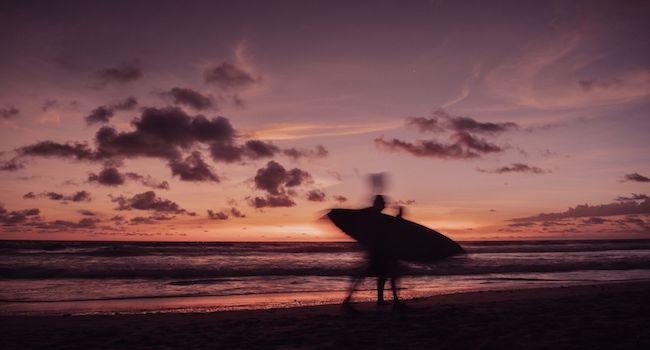
Dry season
December – February
Waves: Clean and manageable (2–5ft)
Wind: Offshore mornings
Crowds: Busiest of the year
Go-to spots: Playa Carmen, Playa Hermosa
Best for: Beginners
Late dry season
March – April
Waves: Building as south swells return (3–6ft)
Wind: Offshore mornings
Crowds: Busy, peaking at Easter
Go-to spots: Santa Teresa main beach, Playa Carmen
Best for: Progression
Green season
May – August
Waves: Consistent south swell (4–8ft)
Wind: Glassy mornings, onshore afternoons
Crowds: Thinning out
Go-to spots: Santa Teresa main beach, Playa Hermosa
Best for: Best all-round season
Peak swell season
September – November
Waves: Biggest of the year (6–10ft+)
Wind: Variable, heaviest rain
Crowds: Quietest of the year
Go-to spots: Mal País reefs, Suck Rock
Best for: Advanced and expert
Santa Teresa surf seasons, explained
Dry season (December – February): the beginner's window
This is Costa Rica's summer, and Santa Teresa at its most postcard-perfect: blue skies, almost no rain, and northeast winds that blow offshore through the morning and groom the waves into clean, open faces. Swell comes mostly from the north and northwest, with the odd small south pulse, so sizes stay friendly — usually waist to head high. Forecasters consistently rate January as the month with the cleanest conditions of the year.
The trade-off is people. Christmas and New Year are the busiest weeks in town, accommodation books out early, and the lineups at Playa Carmen fill up by mid-morning. Paddle out at dawn and you'll have a very different session — easiest if you're staying close to the beach, like at Outsite Santa Teresa – Playa.
Best for: first-timers, longboarders, and anyone booking surf lessons in Santa Teresa.
Late dry season (March – April): the progression window
March is the hottest month of the year, still dry, still offshore in the mornings. By April, the first long-period south swells start arriving from the Southern Hemisphere and the main Santa Teresa beach starts to show more push and shape. It's a sweet spot if you can already stand up and want to start reading peaks, taking steeper drops and surfing a bit of power without being out of your depth.
Plan around Semana Santa (Easter week), when Costa Rican families head to the coast and the town gets as busy as it does at Christmas.
Best for: improvers moving from whitewater to green waves.
Green season (May – August): the best all-round window
Ask surfers who've done a few trips here and many will tell you this is the real Santa Teresa season. South and southwest swells roll in consistently, the main beach lights up with A-frame peaks, and mornings are often glassy. Rain arrives as afternoon showers rather than all-day downpours, the jungle turns bright green, and prices drop noticeably compared to the dry season.
There's usually a short dry spell around July — locals call it the veranillo, or "little summer" — which can bring a run of sunny days right in the middle of solid swell. The rhythm that works best: surf early, work while the afternoon wind and rain roll through — ideally from a desk with a view, like the terrace at Outsite Santa Teresa – Maramar.
Best for: intermediate surfers, and anyone who wants good waves without the peak-season crowds.
Peak swell season (September – November): expert territory
The largest south swells of the year hit between September and October, and they're also the wettest months. The main Santa Teresa beach can max out and close out when it gets well overhead, so the action moves to the rock and reef setups around Mal País, which handle size much better. This is not the time to learn — rip currents get stronger, and the reef breaks are fast and shallow.
Out of the water, the town is at its quietest. The main road is unpaved and can flood after heavy rain, so a 4x4 or ATV becomes essential rather than optional. By November, rain eases off, the swell is still pumping early in the month, and the town starts waking up again — one of the best-value windows of the year if you're an experienced surfer.
Best for: advanced and expert surfers who want size and empty lineups.
Santa Teresa surf: month by month
| Month | Swell | Weather | Crowds | Best for |
|---|---|---|---|---|
| January | Small–medium, cleanest of the year | Dry, sunny | High | Beginners |
| February | Small–medium, clean | Dry, sunny | High | Beginners |
| March | Small–medium | Dry, hottest month | High | Beginners, improvers |
| April | First south swells arrive | Dry, very hot | High at Easter | Improvers |
| May | Consistent south swell | Afternoon showers begin | Medium | Intermediates |
| June | Consistent, medium–large | Afternoon showers | Medium | Intermediates |
| July | Consistent, medium–large | Drier spell (veranillo) | Medium | All-round sweet spot |
| August | Medium–large | Afternoon rain | Medium | Intermediates, advanced |
| September | Large | Wettest months | Low | Advanced |
| October | Largest of the year | Wettest months | Lowest | Advanced, expert |
| November | Large early, easing late | Rain easing | Low, rising | Intermediates, advanced |
| December | Small–medium, clean | Dry season starts | Very high (holidays) | Beginners |
Where to surf in Santa Teresa, by level
The whole surf zone runs along one dirt road, so you can check three or four breaks in a single morning.
- Playa Hermosa (north of Santa Teresa — not the one near Jacó): wide, sandy and usually less crowded. Mellow on smaller days, good for beginners and longboarders; a solid option for intermediates when the swell picks up. Weekday mornings can be close to empty.
- Playa Carmen: the busiest break in the area and where most surf schools operate. Slow, open lefts and rights over sand — the classic place for surf lessons in Santa Teresa. Best around mid-tide; watch for rocks mid-beach at low tide and rip currents.
- Playa Santa Teresa (main beach): steeper, hollower A-frame peaks spread along the beach, best from low to mid-tide. Intermediate and up. Holds swell up to roughly 8ft before it starts closing out.
- Mal País — Suck Rock and the reefs: fast, hollow and powerful waves over rock. Experts only. This is where the big south swells of September and October get surfed.
Local tip: in the dry season, board-rental shops can run low on boards for dawn sessions. Book a few days ahead if you're not bringing your own.
When to go if you're working remotely
Santa Teresa is one of the most popular surf towns in Costa Rica for remote workers, and the reason is the schedule. Costa Rica runs on UTC-6 year-round (no daylight saving), which lines up neatly with North American working hours. The best waves usually come early, before the wind picks up, so the classic routine is a dawn session, breakfast, then a full workday. If you work European hours, your calls land in the Costa Rican morning — so plan your surf for the late-afternoon session instead, or block out your mornings around the swell.
For a longer stay, May to August is the sweet spot: consistent waves, rain that mostly falls in the afternoon while you're at your desk anyway, and lower prices than peak season. If you're staying more than 90 days, read up on digital nomad visas — Costa Rica has its own. For coworking cafés, wifi speeds and getting around, see our Digital Nomad Guide to Santa Teresa.
Getting to Santa Teresa
Budget most of a day. From San José, drive about 90 minutes to Puntarenas and take the car ferry across the Gulf of Nicoya to Paquera (around 70 minutes), then it's roughly an hour's drive on mixed paved and dirt roads. Book ferry spots ahead in the dry season. The faster option is a short domestic flight from San José to Tambor, then about 45 minutes by car. Once you're in town, an ATV or 4x4 makes life much easier — especially in the green season. For more on getting around, wifi and cost of living, see the Santa Teresa digital nomad guide.
Where to stay: two Outsite houses in Santa Teresa
Outsite Santa Teresa – Playa: for surf, work and community by the beach
A coworking resort next to the beach, built around a pool and an open-air coworking space. Every room has a desk, wifi runs at 200 Mbps, and you can choose between ensuite rooms or private cabanas with their own kitchens for longer stays. The easiest base if you want to walk to the waves and still have a proper setup for calls.
Stay at Outsite Santa Teresa – Playa →
Outsite Santa Teresa – Maramar: for quiet focus and sunset views
A modern jungle villa perched on the hill above town, in Costa Rica's Blue Zone, with sweeping views over the Pacific. Four private rooms with balconies, a coworking space, desks in every room and a pool. It's a steep road up from the entrance, so you'll want an ATV or car — worth it for the sunsets from the terrace after a morning in the water.
Stay at Outsite Santa Teresa – Maramar →
More Outsite surf bases on the Pacific coast
Chasing waves up the coast? These Outsite houses pair a proper workspace with surf nearby.
Todos Santos, Mexico
A laid-back town on Baja California Sur's Pacific side, with big-wave and beginner-friendly breaks nearby — Cerritos, about 30 minutes south, has consistent rights for every level. Read the Digital Nomad Guide to Todos Santos.
Stay at Outsite Todos Santos →
Los Cabos, Mexico
Surf, hike and swim at the tip of the Baja Peninsula, 20 minutes from the international airport. The breaks around Cabo range from mellow beach breaks to reef waves — see the surf section of our Digital Nomad Guide to Cabo.
San Diego, California
Four houses across the San Diego area, including two in the surf town of Encinitas, a short walk from the beach. Start with the Digital Nomad Guide to Encinitas.
See all San Diego houses →FAQ
What is the best month to surf Santa Teresa?
For clean conditions, January. For the best balance of consistent swell, fewer crowds and lower prices, July. For the biggest waves, October.
Can beginners surf Santa Teresa in the rainy season?
Yes, with care. The green season brings bigger swell, but smaller days and sheltered corners like Playa Carmen and Playa Hermosa still work for lessons — surf schools know where to go each morning. Avoid September and October if you're just starting out.
Is Santa Teresa good for beginner surfers?
Yes. Playa Carmen and Playa Hermosa are forgiving sand-bottom breaks with plenty of surf schools, and the dry season (December to April) brings clean, smaller waves. The main Santa Teresa beach is better suited to intermediates.
Do you need a wetsuit to surf in Santa Teresa?
No. The water sits around 27–30°C all year. Boardshorts or a swimsuit and a rash guard for sun protection are all you need.
When is the rainy season in Santa Teresa, Costa Rica?
Roughly May to November, with the heaviest rain in September and October. Most rain falls in the afternoon and evening, so mornings usually stay surfable.
Is Santa Teresa crowded?
It can be, especially at Christmas, New Year and Easter. Surf at dawn, try Playa Hermosa, or come between May and November for quieter lineups.
Whatever your level, there's a season in Santa Teresa with your name on it. Pick your window, pack your boardshorts, and find your Santa Teresa base. Planning a European surf trip too? Read our guide to the best time to surf Ericeira.



Coliving spaces, community, and perks designed for remote workers and creatives.
Product
Company
Social


Keep up with location openings,community events, and other news.
Download the Outsite App Now


© 2026 Outsite Co. All rights reserved.